The Balkans for First-Time Off-the-Beaten-Path Travel: What to Expect
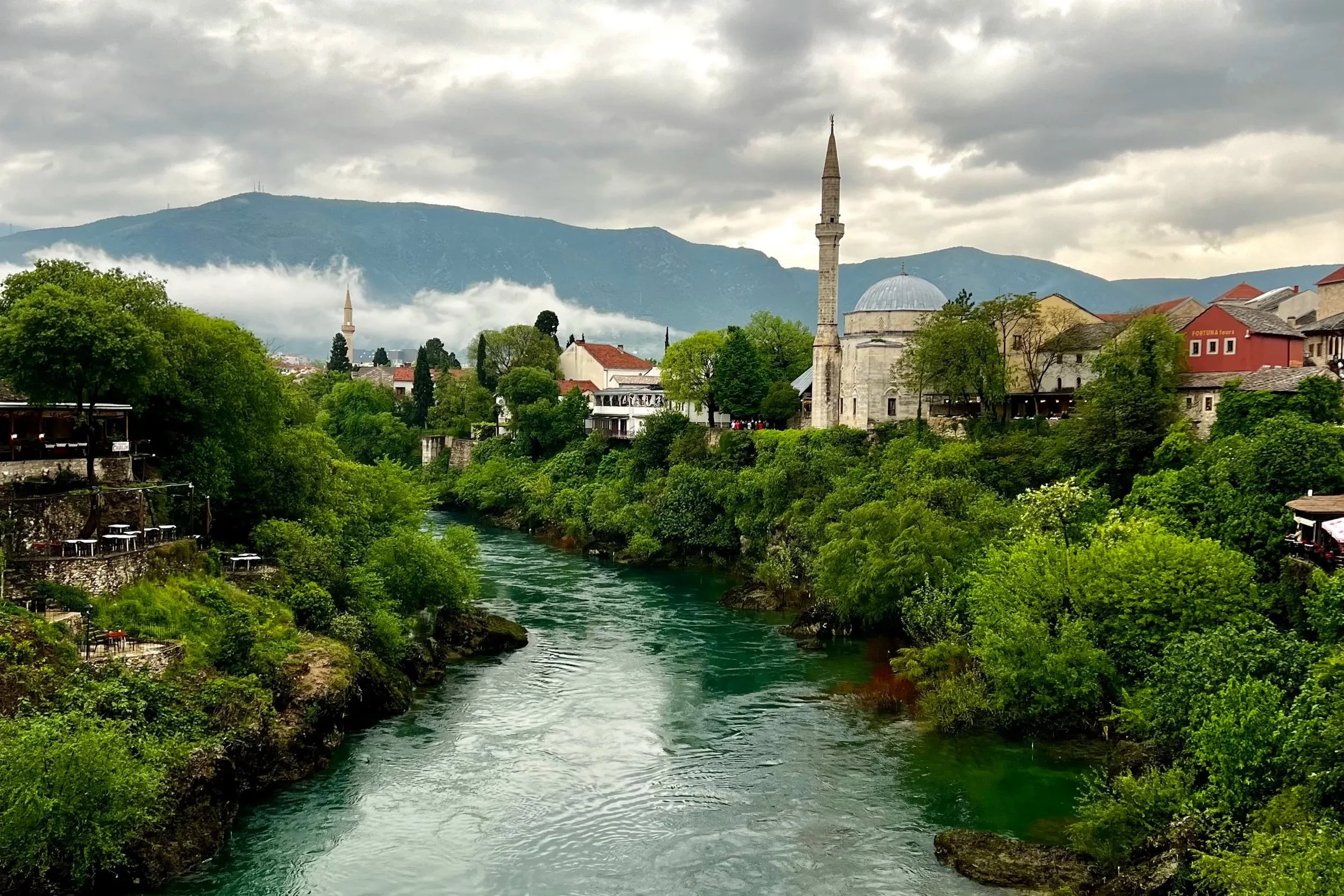
Neretva River in Mostar, Bosnia & Herzegovina
The Balkans makes for a great destination for your first time travelling in an ‘off the beaten path’ destination. From stunning beaches in Albania, to rugged mountains in Montenegro and lots of delicious food along the way, if you’ve been thinking of exploring countries that are lesser travelled and with their own uniqueness, whilst still being within Europe, then the Balkans could be the region for you. This post will dive into the details of visiting this area, what to expect and how best to navigate the Balkans and have the best experience.
The Balkans and the countries that fall under this region are often disputed but generally the list consists of Albania, Bosnia & Herzegovina, Bulgaria, Croatia, Kosovo, Montenegro, North Macedonia, Romania, Serbia & Slovenia. Some of these countries only partly sit within the Balkans so more often a ‘Balkan Trip’ might refer to the Western Balkans; Albania, Bosnia & Herzegovina, Kosovo, Montenegro, North Macedonia & Serbia. Either way they are all incredible countries.
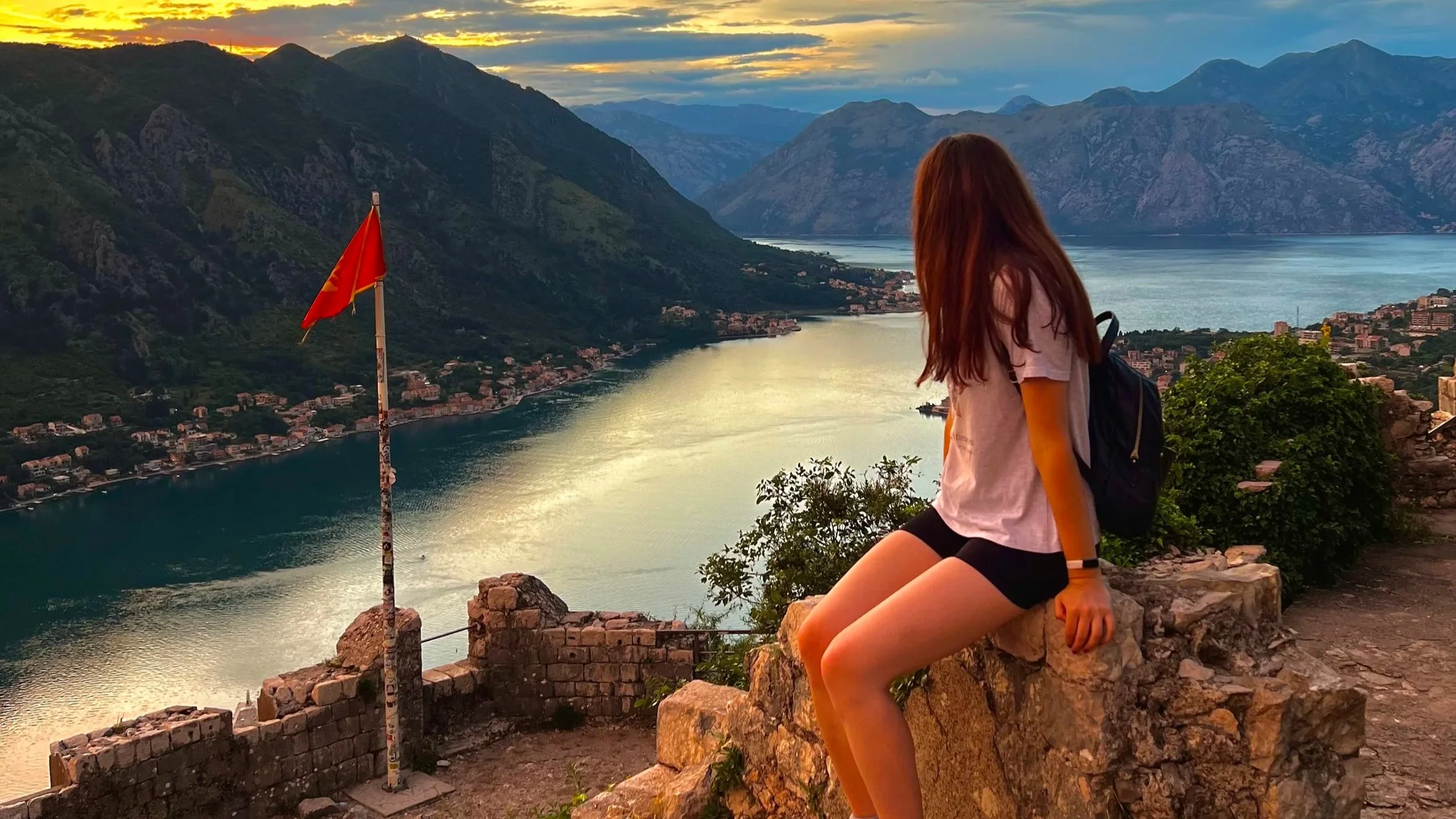
Taking in an incredible sunset in Kotor, Montenegro
Solo Travel
A common question is whether it is safe to travel solo in the Balkans, especially for female solo travellers. I have solo travelled through Bosnia & Herzegovina, Serbia, North Macedonia, Albania and Montenegro in one trip and previously in Slovenia and Croatia and can happily report back that I found it a really great experience. Of course, whenever you are solo travelling, it is important to remain aware of your surroundings, follow your gut instinct and make sensible decisions to feel your safest, but in general, compared to other places I have travelled solo, I felt comfortable and often met super friendly and helpful locals which made my whole experience of travelling the Balkans all the more enjoyable.
In general, although there have been some harsh conflicts in the past and there is still tension between some groups of people from different ethnicities or political standpoints, as a tourist these are not things that will affect your trip or how you travel there. Violent crimes on tourists are very rare and as is often the case around the world, the main thing to be aware of is petty crime - theft, pickpockets etc. I didn’t see or hear of this happening to anyone on my travels but it’s always a good idea to be mindful of your belongings wherever you are.
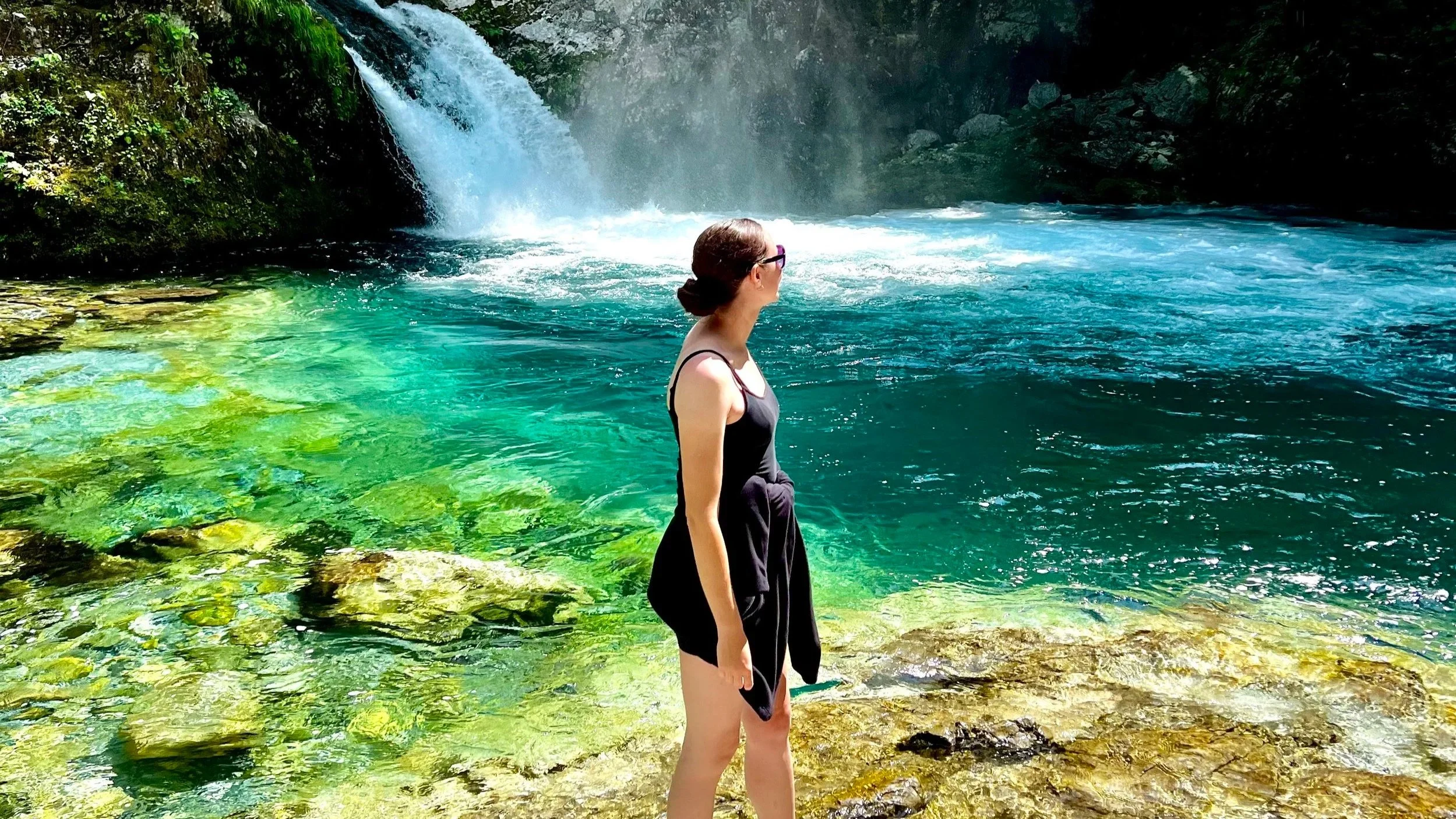
The bright Blue Eye in Theth, Albania
If you have previously travelled in the more popular, tourist heavy countries of Europe and this is your first experience in what could be deemed ‘off the beaten path’ destinations then it will be a different experience. I won’t be including Slovenia & Croatia in the rest of this post, although I will have more posts to come on these countries. As they are both part of the EU and Schengen areas they naturally fall in to ‘easier to travel’ destinations as the tourism has increased over time to both countries and their tourist infrastructure is strong. For the rest of this post I’ll be writing about the previously determined ‘Western Balkans’. I’ll go in to detail in this post around why it can be trickier to travel and things like border crossings, language barriers and cultural norms are different across these countries compared to Western Europe. Nothing to worry about at all and they are all worth it but given they are less visited, there are some things to be aware of to prepare you for a great Balkans experience.
Starting this post off, I thought it might be useful to share a bit of the background on the region and then some of the more practical information that will help you to understand what travelling in these lesser known, but beautiful countries, is really like.
History
I’ll keep it brief on the history as you will learn a lot about this when visiting, but the area of the Balkans has experienced a number of different occupations and regimes. Dating back hundreds of centuries is the Ottoman Empire which has led to some countries still displaying influence from that period, through the architecture and the food. More recently in the 20th century the country of Yugoslavia was formed. In the 1990s it gradually reduced before ceasing existence as more countries reclaimed their independence.
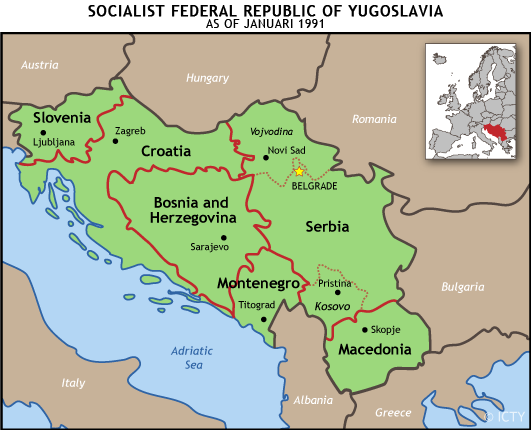
Many Balkan countries used to be one country under the name Yugoslavia. They are now all independent of each other but with a lot of recent history there is a lot to learn and it’s often first hand from the locals.
Albania was not part of Yugoslavia but they had their own battle during this time under a communist regime which also ended in the 1990s. Unfortunately the 1990s were a time of conflict and pain for Bosnia & Herzegovina as they went through a war between Bosnians and Serbs. If you visit Bosnia & Herzegovina you will see buildings covered in shell damage and meet people who recall the war first hand. There is a lot to learn across the Balkan countries! If that is something you are interested in, there are plenty of tours and museums to learn more.
Things to Do in the Balkans
This is going to be a very quick snapshot of a few things to do or places to visit in each country to give you a flavour for these countries and I’ll go in to more details for each in future posts. In some cases it’s easy enough to arrange a day trip using public transport which I’ll share in those posts but where it is better to book a day tour, I’ll include a link for ease.
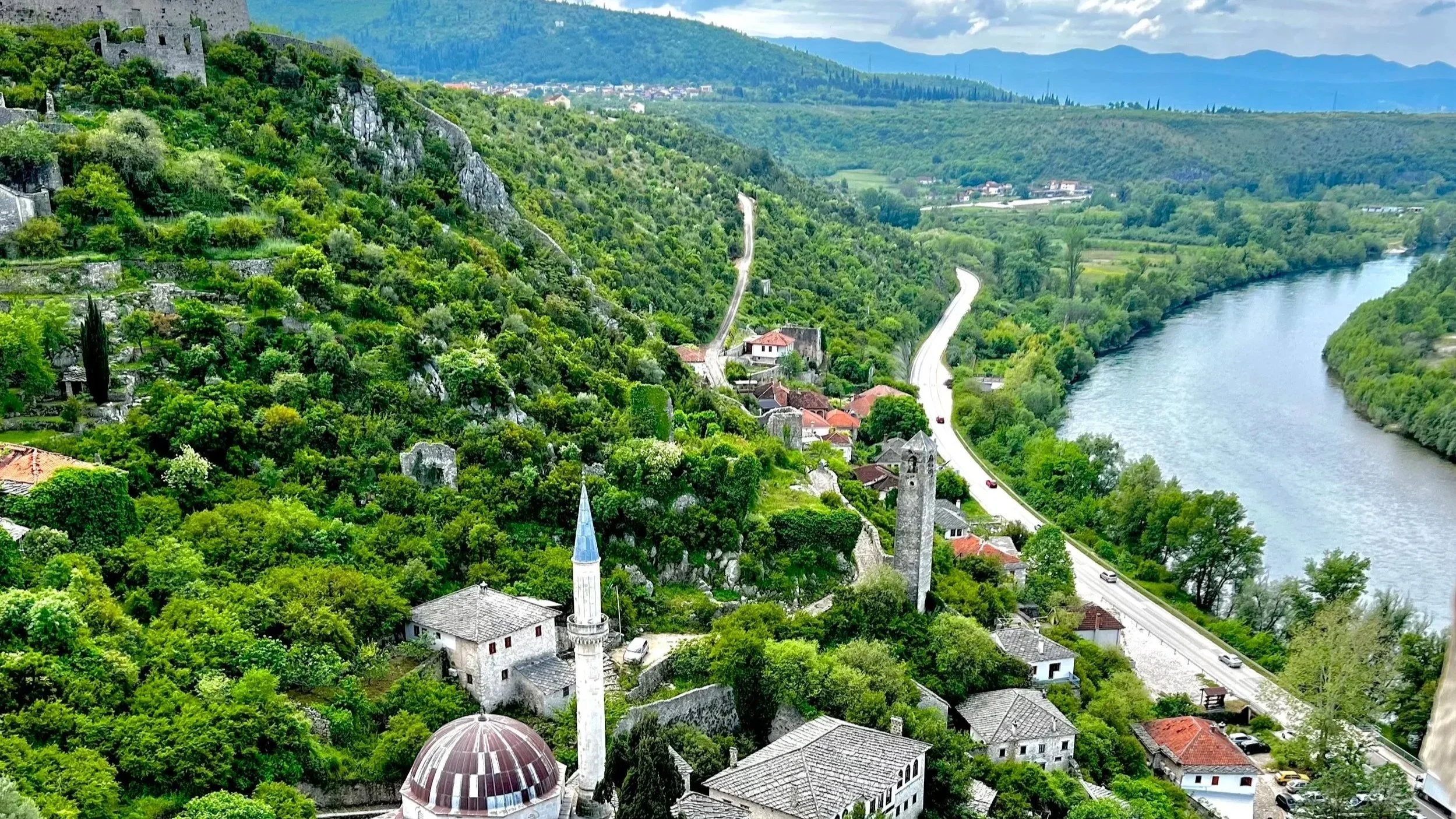
The stunning settlement village of Počitelj, Bosnia & Herzegovina
Bosnia & Herzegovina
Visit the UNESCO World Heritage site of Mostar. Explore the cobbled streets and watch locals jump off of the famous Mostar Bridge. Take in the stunning views at the top of a minaret.
Take a day trip to visit some of the gorgeous surrounding areas including Kravice Waterfalls and Blagaj. This day tour covers so many stunning spots in one. From Mostar: Blagaj, Počitelj & Kravice Waterfalls Day Tour
Learn about the history of Sarajevo, the tunnel of hope and visit the famous spot that sparked World War 1. Take this half day tour.Sarajevo: Tunnel Museum Yugoslavia War Tour with War Veteran
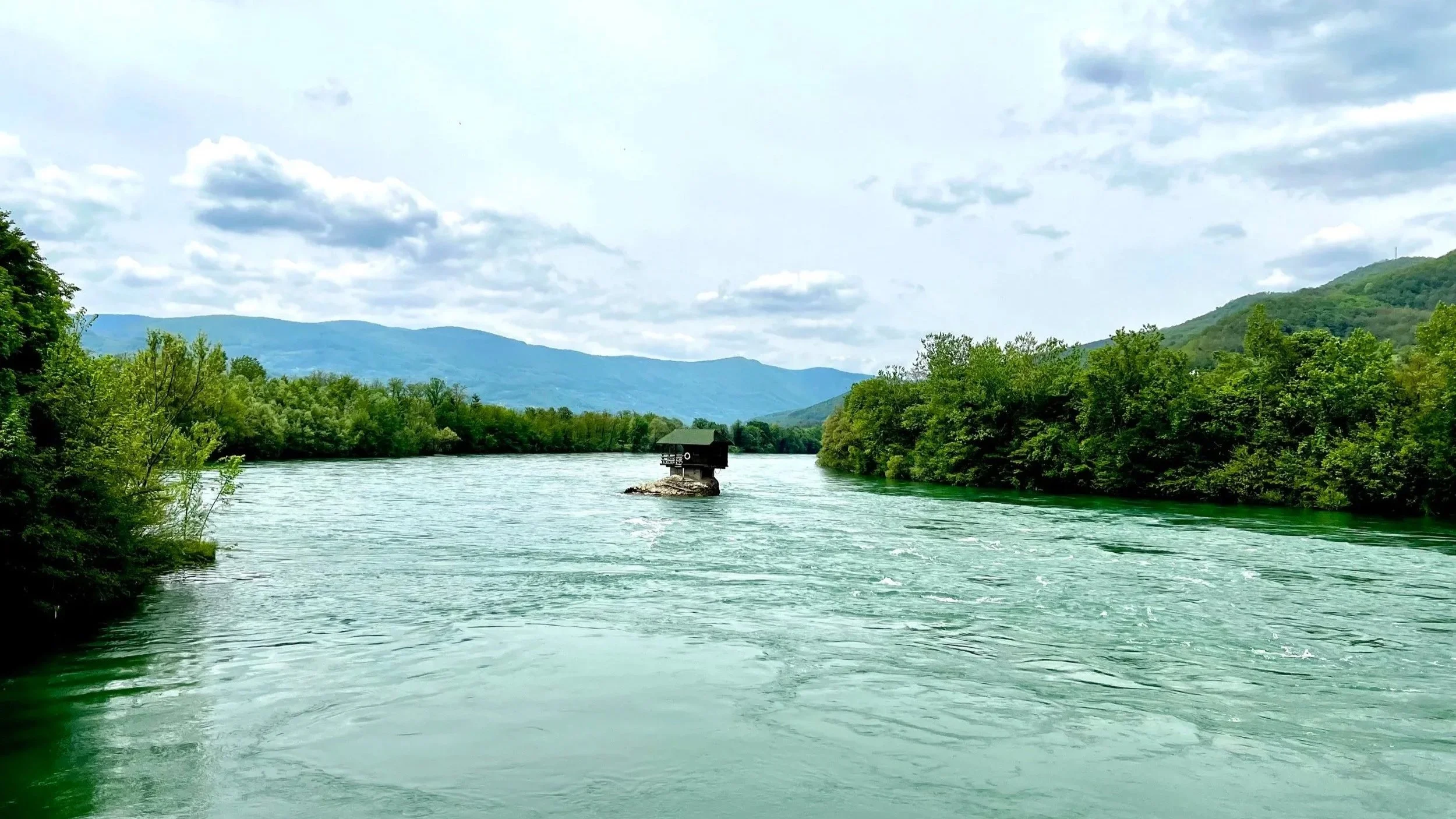
The peaceful house on Drina River, Serbia
Serbia
Take in the city of Belgrade, the new and the old. See where NATO attacked and learn about the fortress.
Take a trip to visit the countryside and the picturesque house in the River Drina. Western Serbia 1-Day Tour of the Key Sites from Belgrade
Explore Novi Sad, the second largest city of Serbia with stunning architecture.
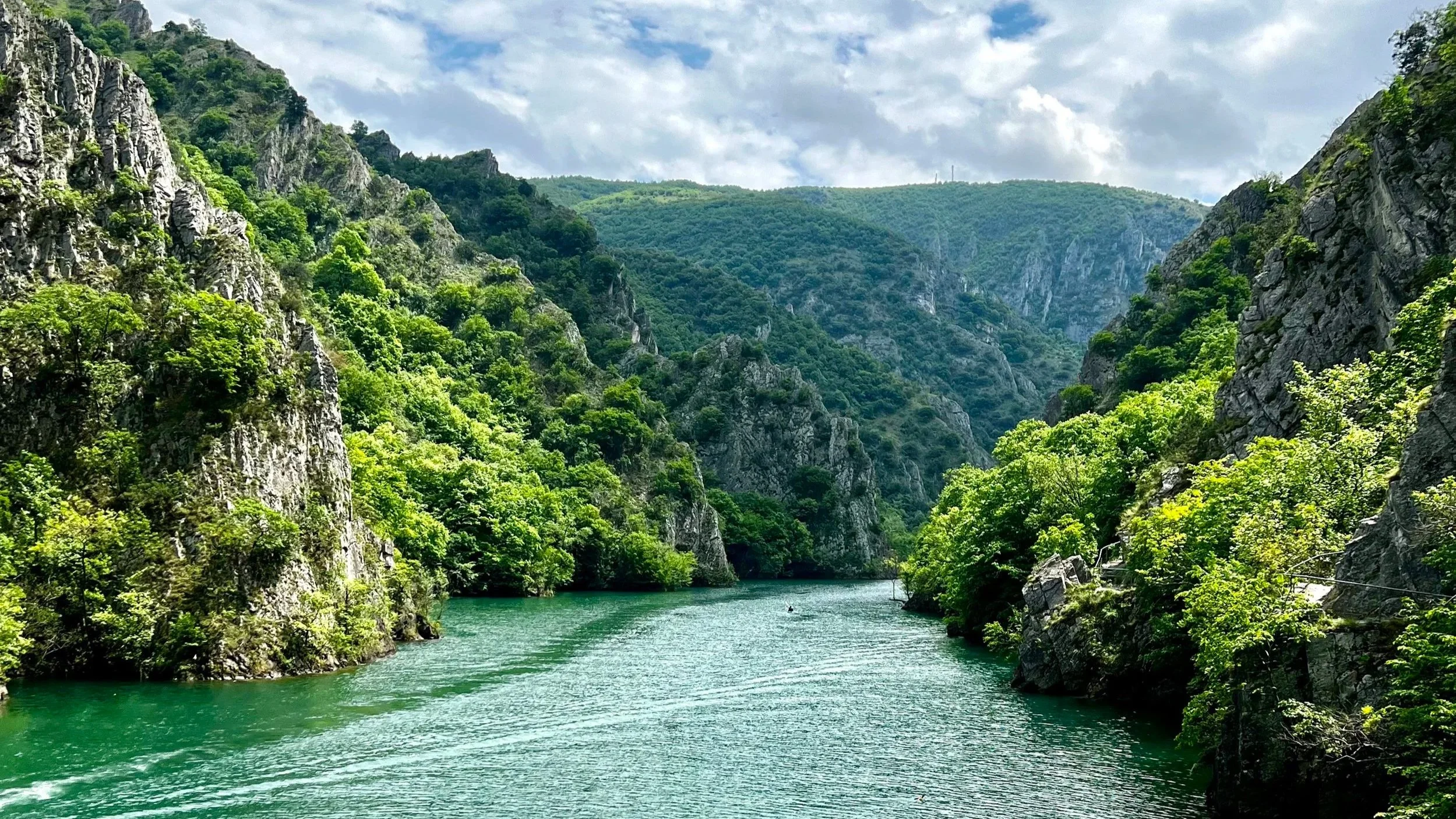
The breathtaking Matka Canyon, North Macedonia
North Macedonia
Wander throught the quirky city of statues that is Skopje and enjoy food in the Old Bazaar.
Take a trip to Matka Canyon - a stunning canyon that is free to enter!
Visit the oldest lake in Europe in the gorgeous town of Ohrid and enjoy a boat trip. Ohrid: Full day Boat Trip to the Monastery of St. Naum
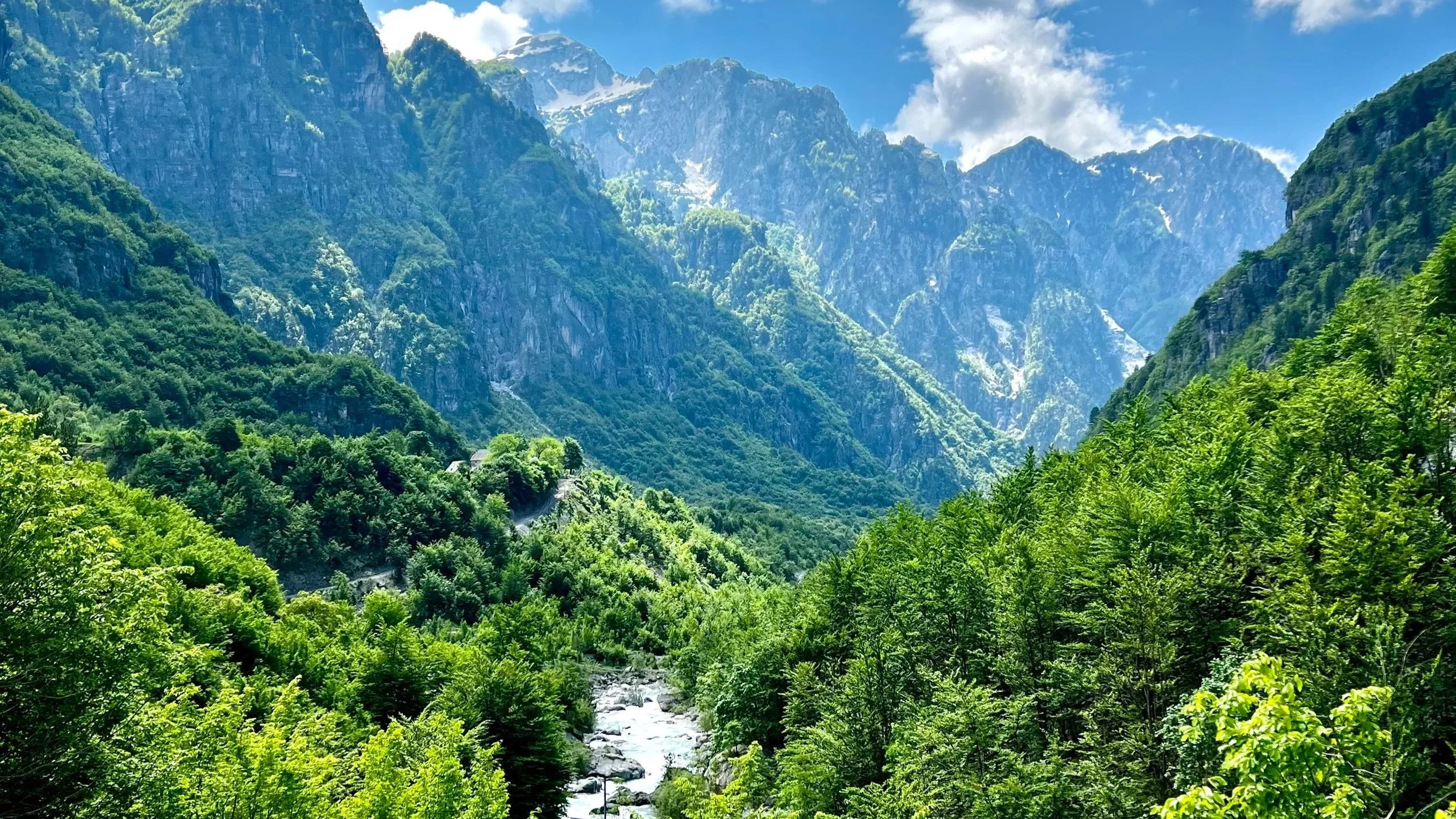
The towering mountains in Theth National Park, Albania
Albania
Visit what is coined the ‘Maldives of Europe’ and swim in the super blue water in Ksamil.
Learn about the thousands of bunkers when visiting Gjirokaster and try the traditional local cuisine. Cook Like a Local – Authentic Cooking Class in Gjirokastra
Hike the Albanian Alps and take in the breathtaking views in Theth National Park.
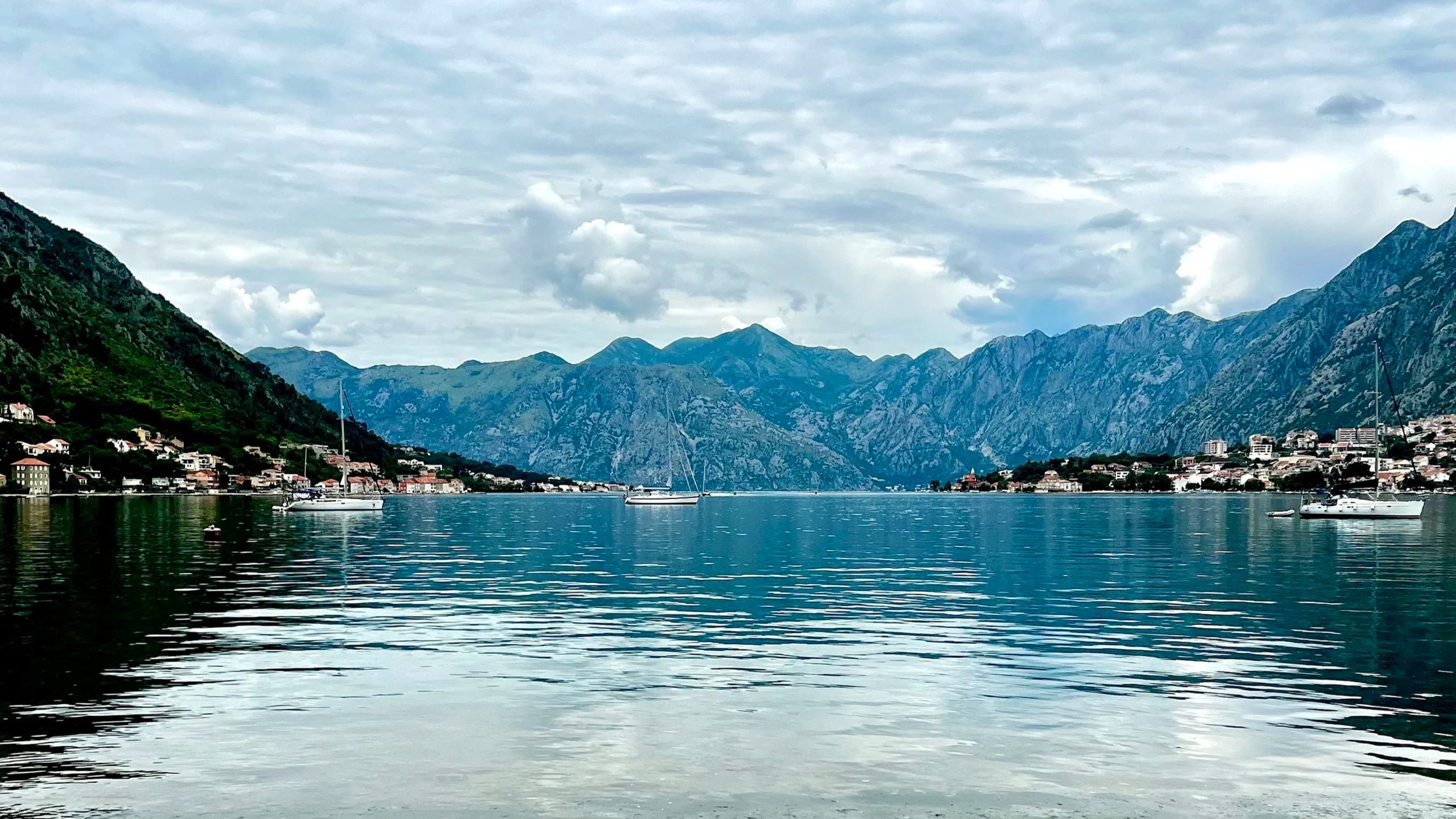
The serene beauty of Kotor Bay, Montenegro
Montenegro
Explore Kotor with its quant old town and gorgeous bay and take a tour of the highlights of Montenegro. From Budva/Kotor: Montenegro Highlights Tour & Lake Cruise
Sun yourself in Budva or a stunning beach.
Head North to Durmitor National Park to hike the rugged mountains.
Food
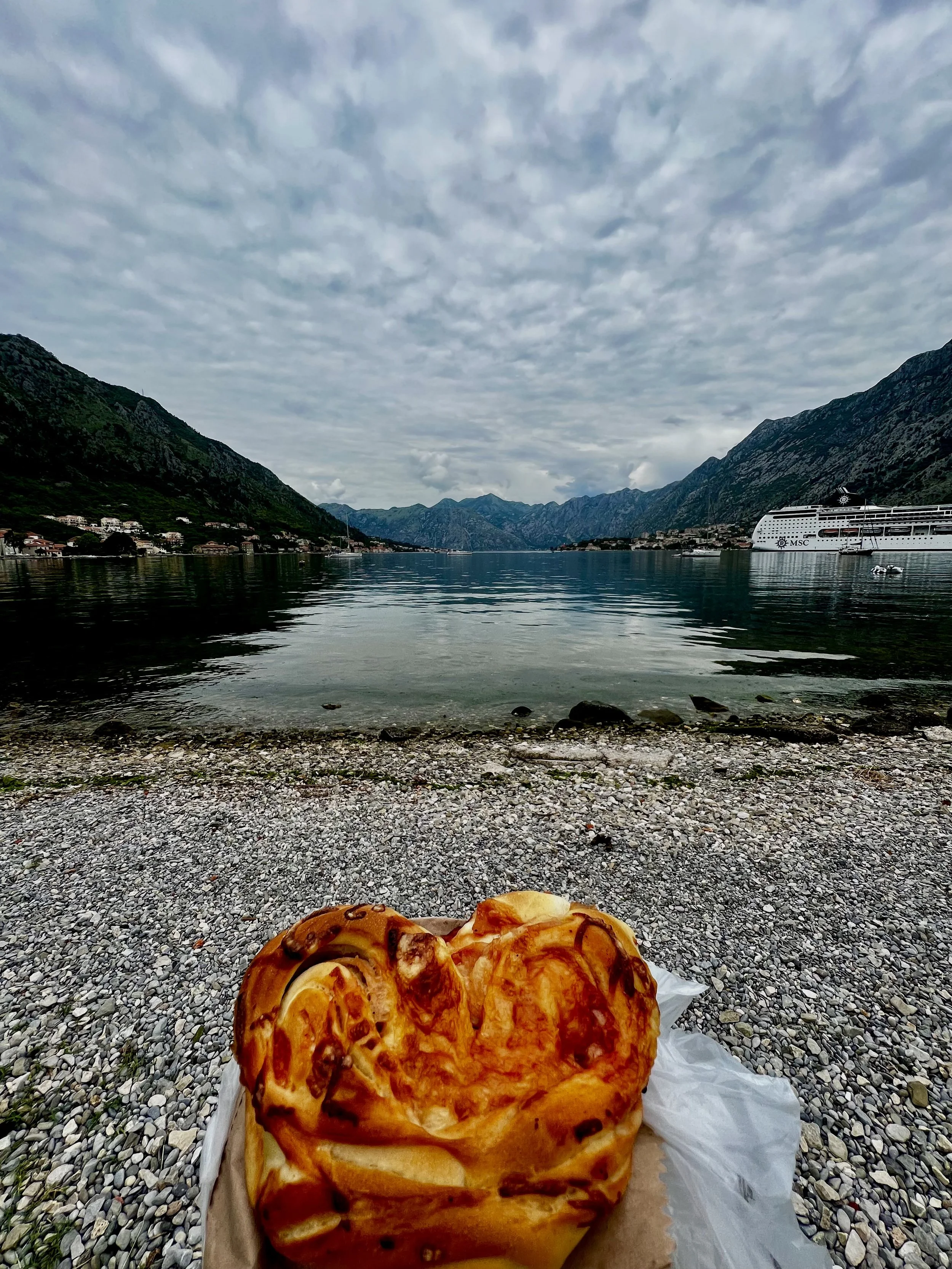
One word to describe the food in the Balkans, delicious. Another word, filling. And it’s also one of the ways you will see the influence from the Ottoman Empire coming through. There’s a few types of food and drink you will regularly see across the Balkan countries:
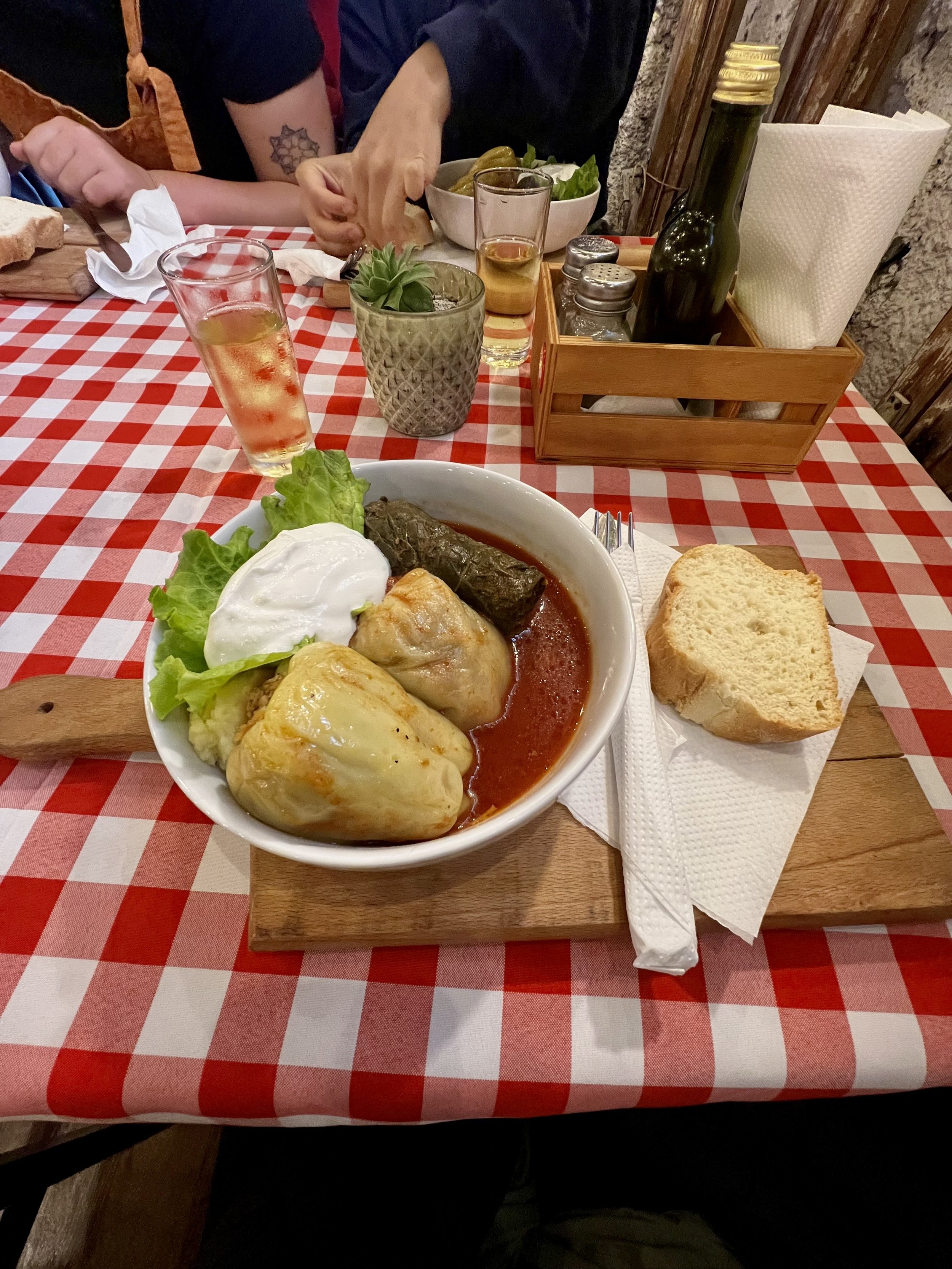
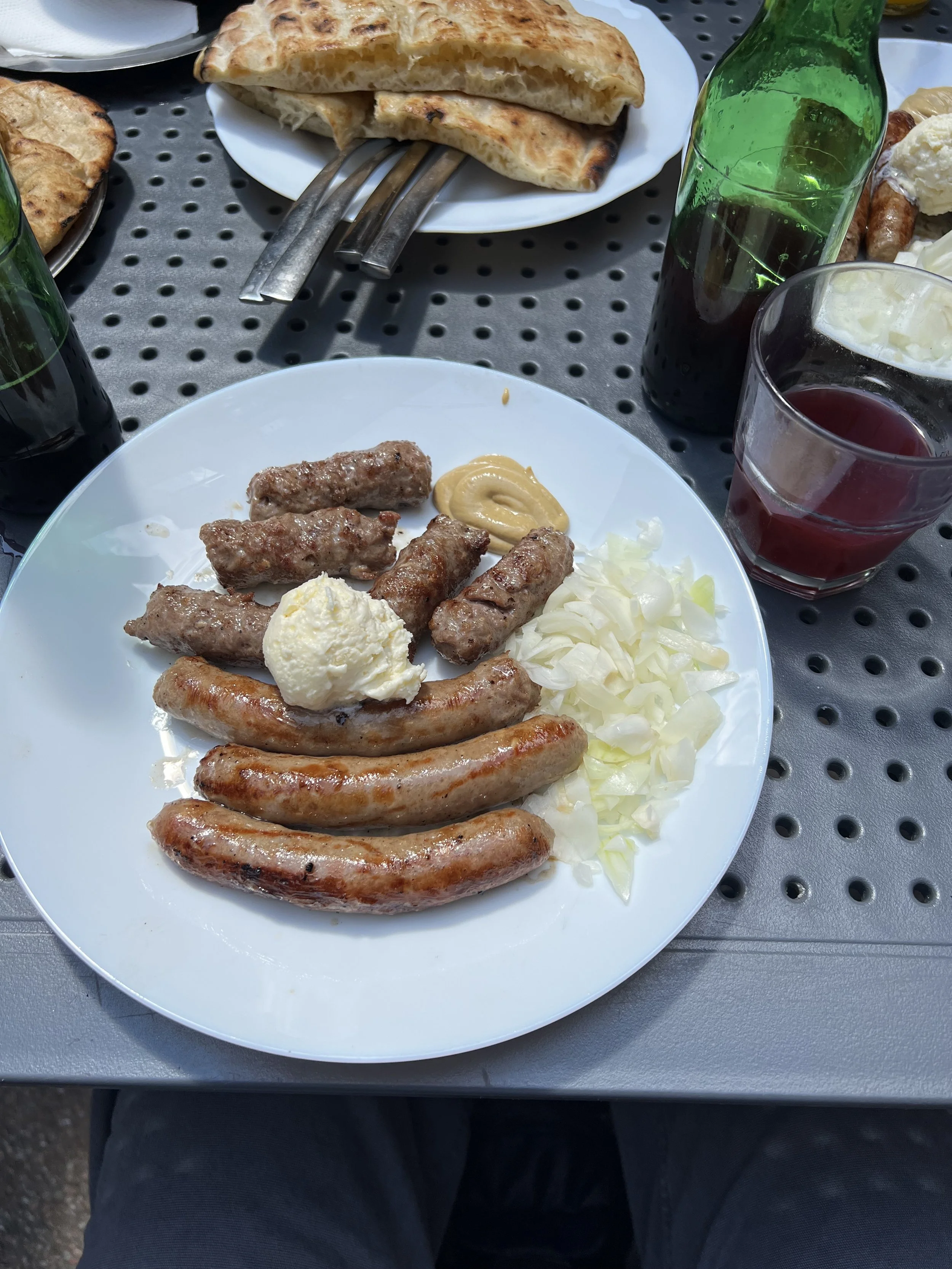
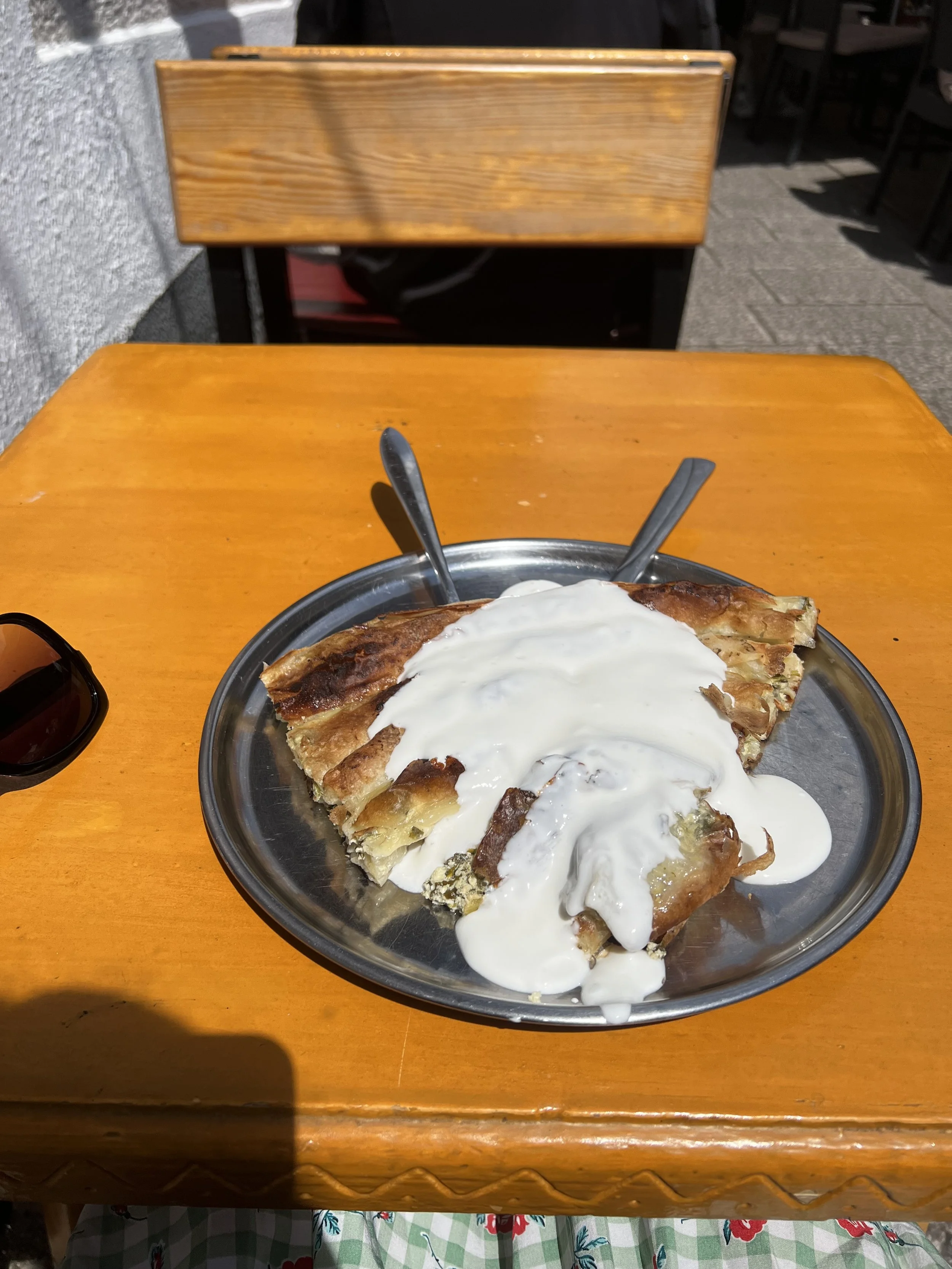
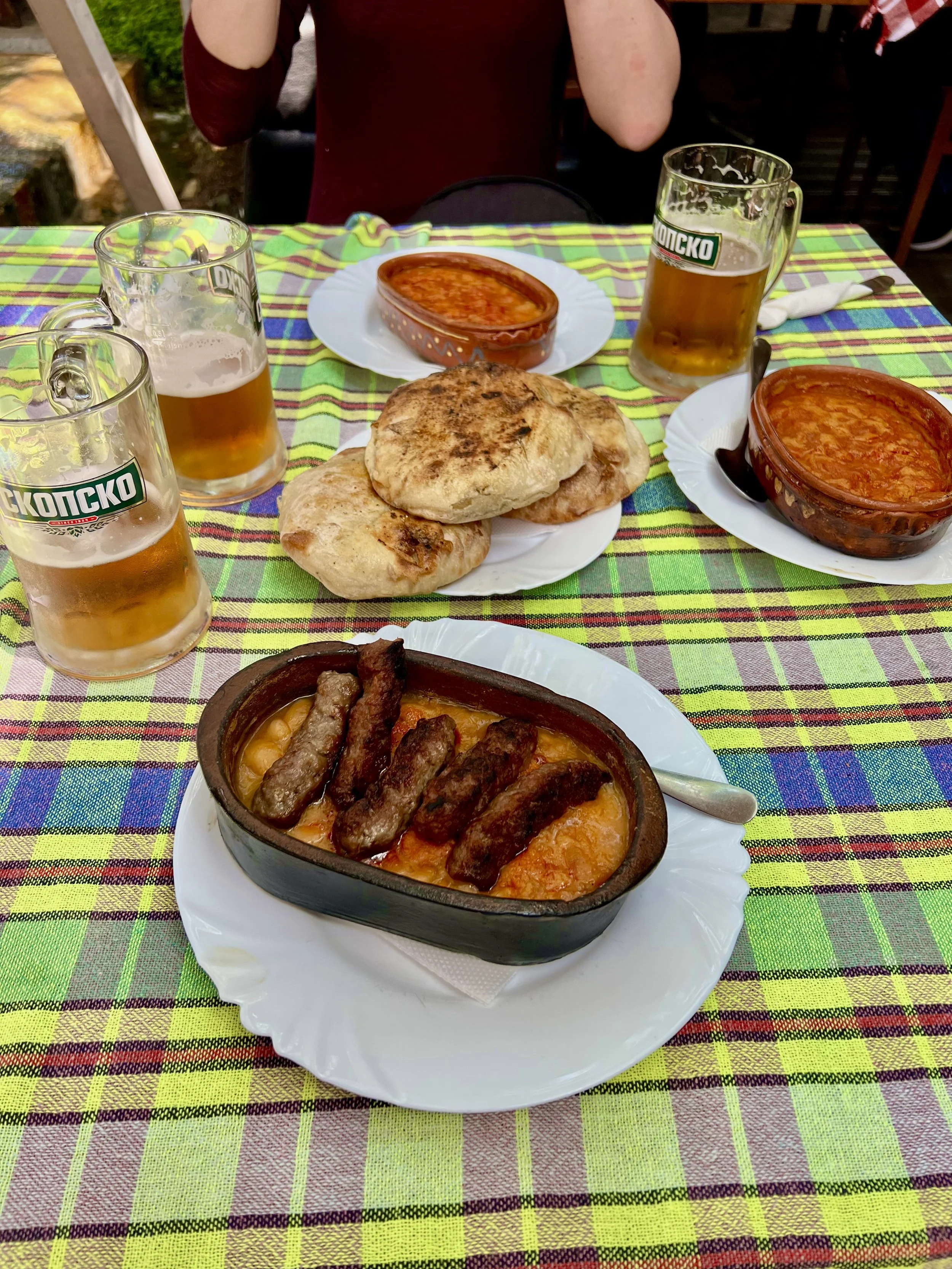
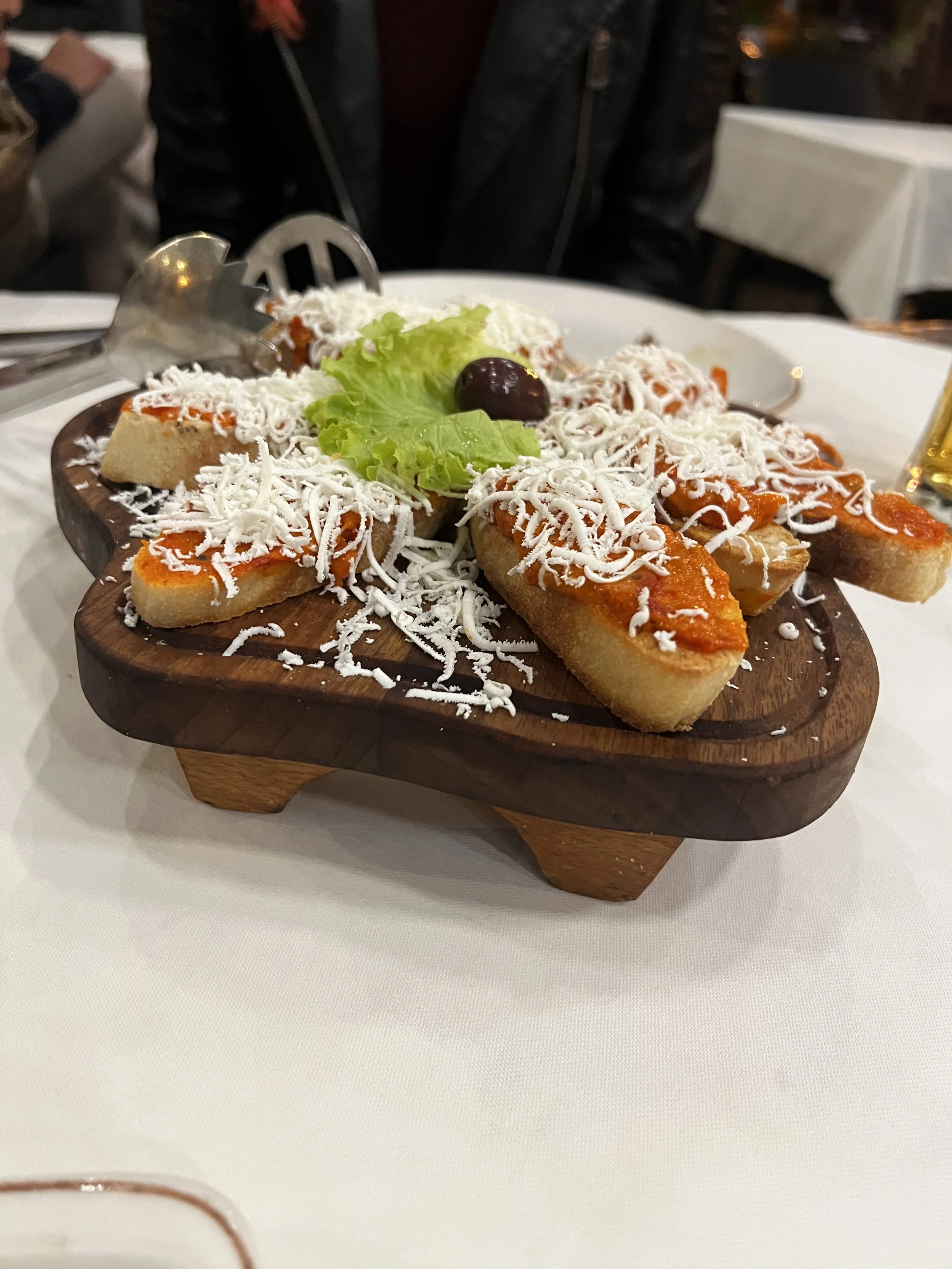
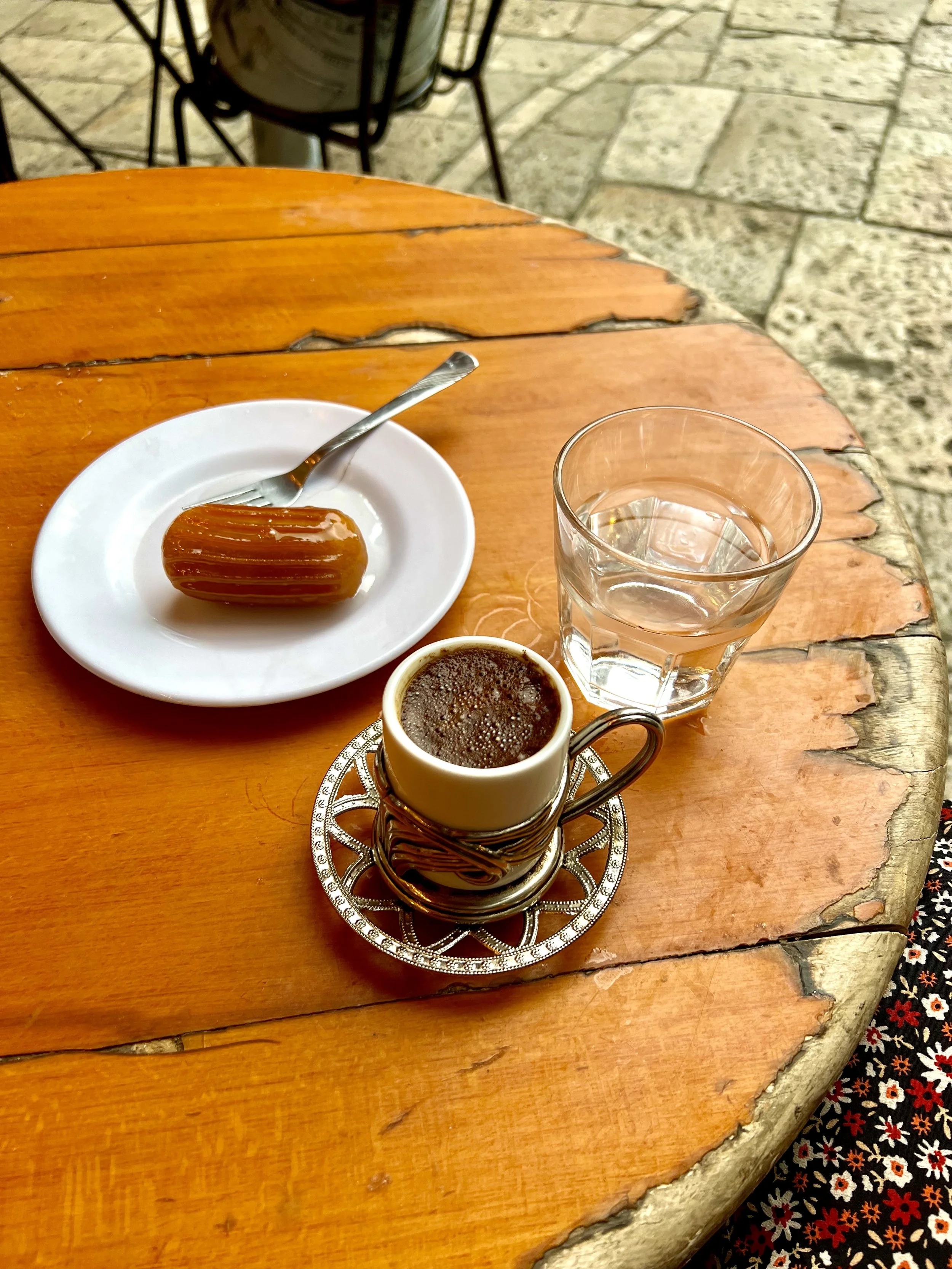
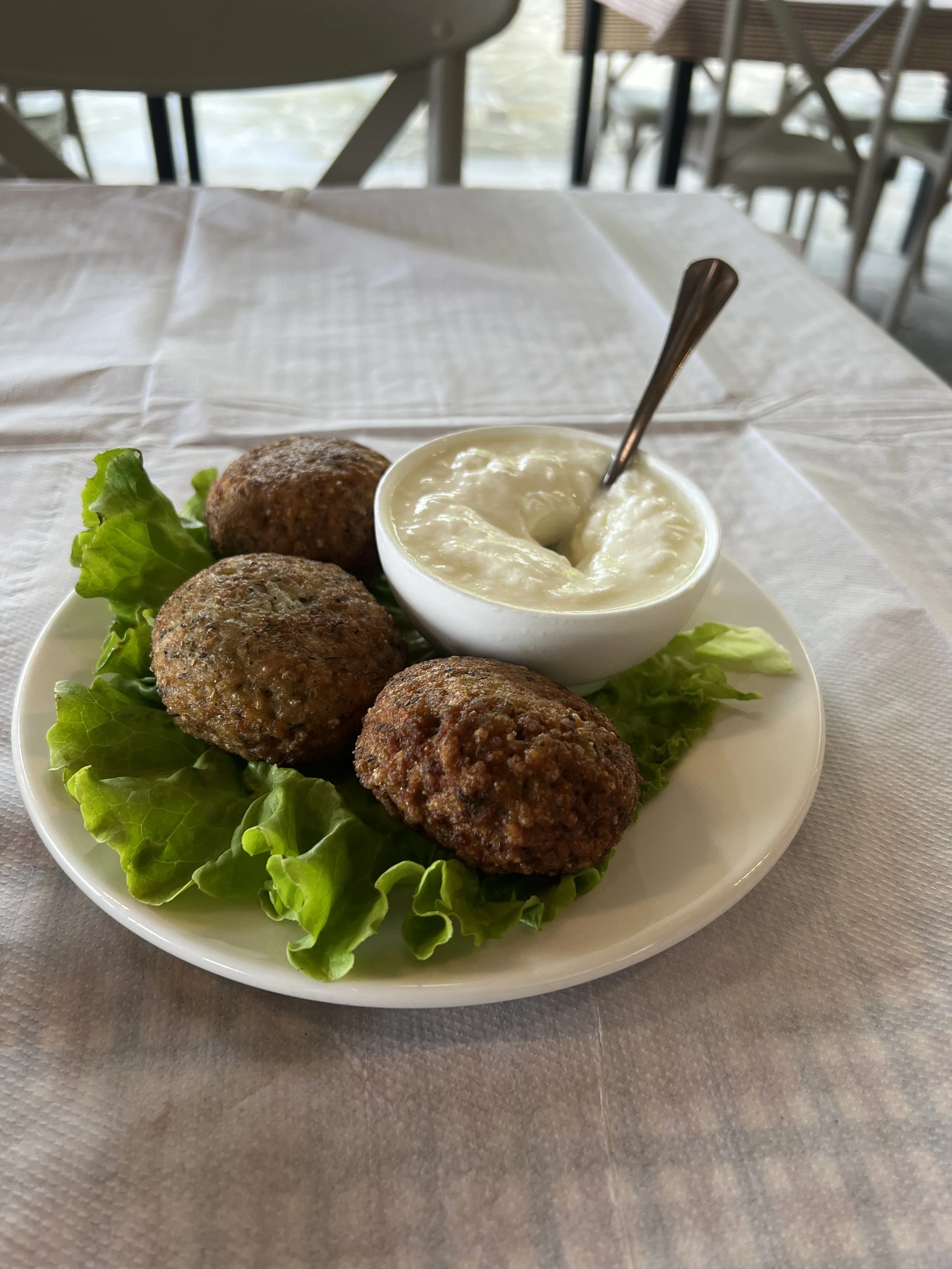
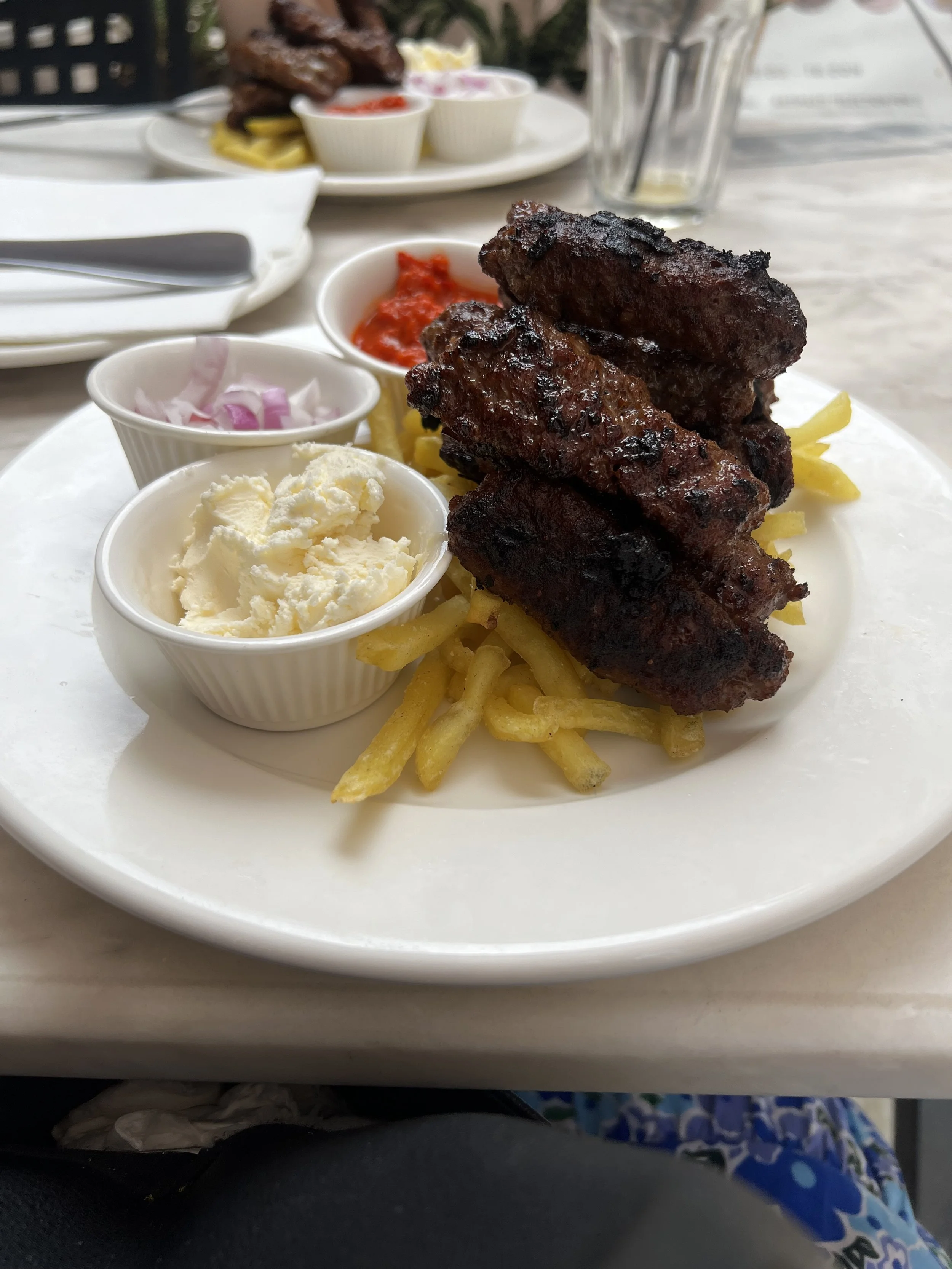
Cevapi or cevapcici will often be top of the menu. This is a dish of meat kebabs, either lamb, beef or pork. If you like meat, they are a perfect filling and affordable dish often served with onions and flatbread.
Dolma are also very popular. Stuffed or wrapped vine leaves or vegetables, usually a peper, filled with rice, make for another filling dish.
Ajvar is a well loved Balkan condiment and spread made primarily from roasted red bell peppers and aubergines/eggplant. Seasoned with garlic, vinegar and oil it goes fanatically well with bread and white cheese.
Burek, a stuffed filo pastry is another Balkan food that is a must try and comes in various options including meat, cheese, spinach or potatoes. Carrying on the theme, its super filling so you should never have to worry about going hungry in the Balkans!
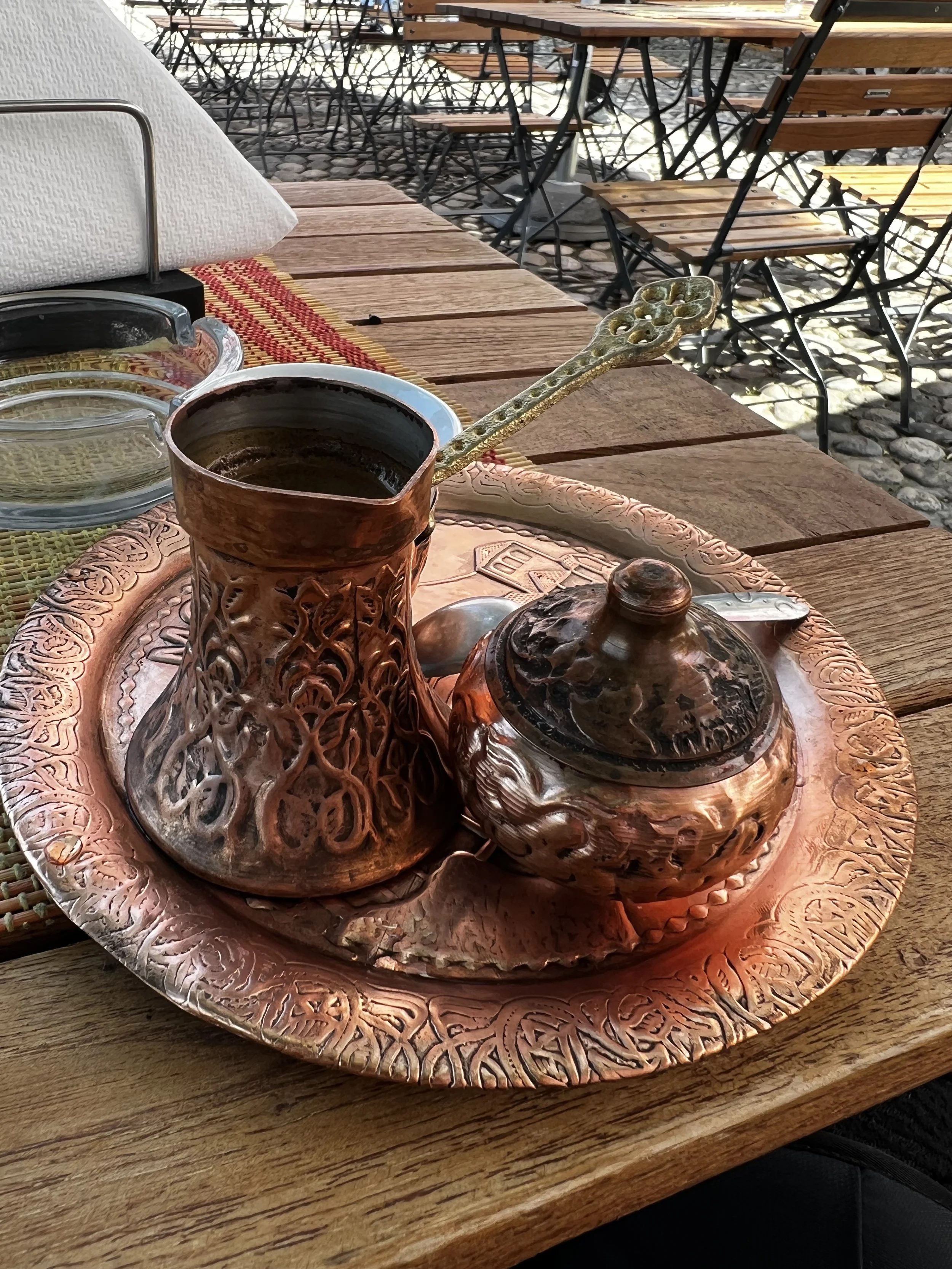
If you’re a coffee lover will you love the coffee culture in some of the Balkan countries, especially Bosnian coffee and the turkish coffee sold in North Macedonia & Montenegro. I’ll go more in to this in country specific posts but there are some really great spots to try.
Whether you drink alcohol or not, it will be impossible to not be introduced to Rakia. Of course you do not have to drink it, but it will regularly be offered to you at hotels, hostels, restaurants, bars, on tours, anywhere and at any time! It’s a very strong fruit brandy that comes in a range of flavours and packs a real punch!
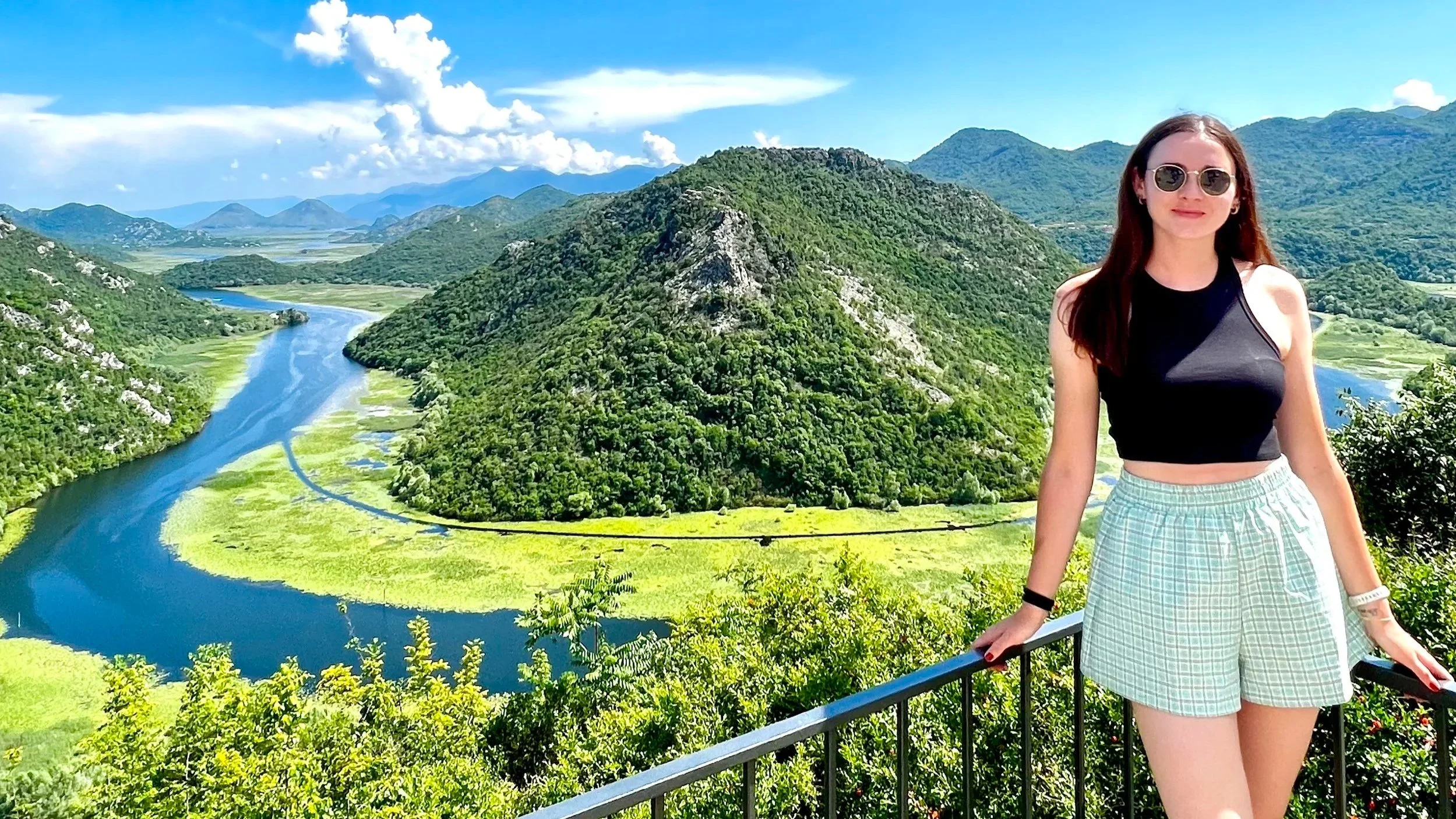
The greenest of green at Lake Skadar in Montenegro
Ease of travel
Language barrier
All of the countries within the Balkans speak different languages. Some even have different alphabets, including more letters than their neighbours so when you go from one country to another it will be hard to gain an understanding verbally and in written words. But fear not! Technology is on your side for this.
I think it’s always a great idea to learn some basic words when visiting a new country but if you’re planning to visit to a number of countries across the Balkans, Google Translate might need to become your new best friend! The camera function especially will be a life saver for live translation in shops and on menus. As is often the case, you will likely get by just fine in the tourist spots, especially when taking tours and reading information in museums as they will be translated but outside of the most famous spots you might experience some language barriers.
Personally I found this most often in Albania as a lot of people either learn English or Italian growing up so would usually spot that I’m not from there and speak to me in Italian. I unfortunately don’t know much Italian, so we would then have to try and speak with our hands. I find it all part of the fun but appreciate it can be overwhelming when you’re trying to communicate. I would definitely recommend downloading the languages on the app so you can access them from anywhere offline. It’s also worth noting when communicating with people in this region that in some countries people smile less. If you’ve not experienced this cultural difference before you could mistake someone for being rude or hostile but it’s rarely the case. They are still very happy to welcome you and help you but they might just smile less especially when first speaking to you, it’s not personal.
Currency
At the moment almost all of the Balkan countries have their own currencies. Montenegro use Euros but for the rest of the countries on your Balkan trip, you’ll need to exchange some local currency. It can be difficult to exchange certain currencies from one country to another so I would recommend taking euros to exchange and a currency counter. Before you leave, if you have a significant amount leftover of the local currency, change it back to Euros before you leave.
The exchange rates vary massively so it takes a bit of adjusting when moving from country to country. For example Bosnia Marks are around 2 to 1 Euro. Whereas Macedonian Dinar is 62 to 1 Euro, not quite such easy mental math! Having a convertor app to hand will be very useful. Some larger companies will take euros in cash but it’s best to have the majority of your cash in the local currency. It’s also important to insure you have cash in general as a lot of smaller local places still prefer cash and some don’t accept card payments.
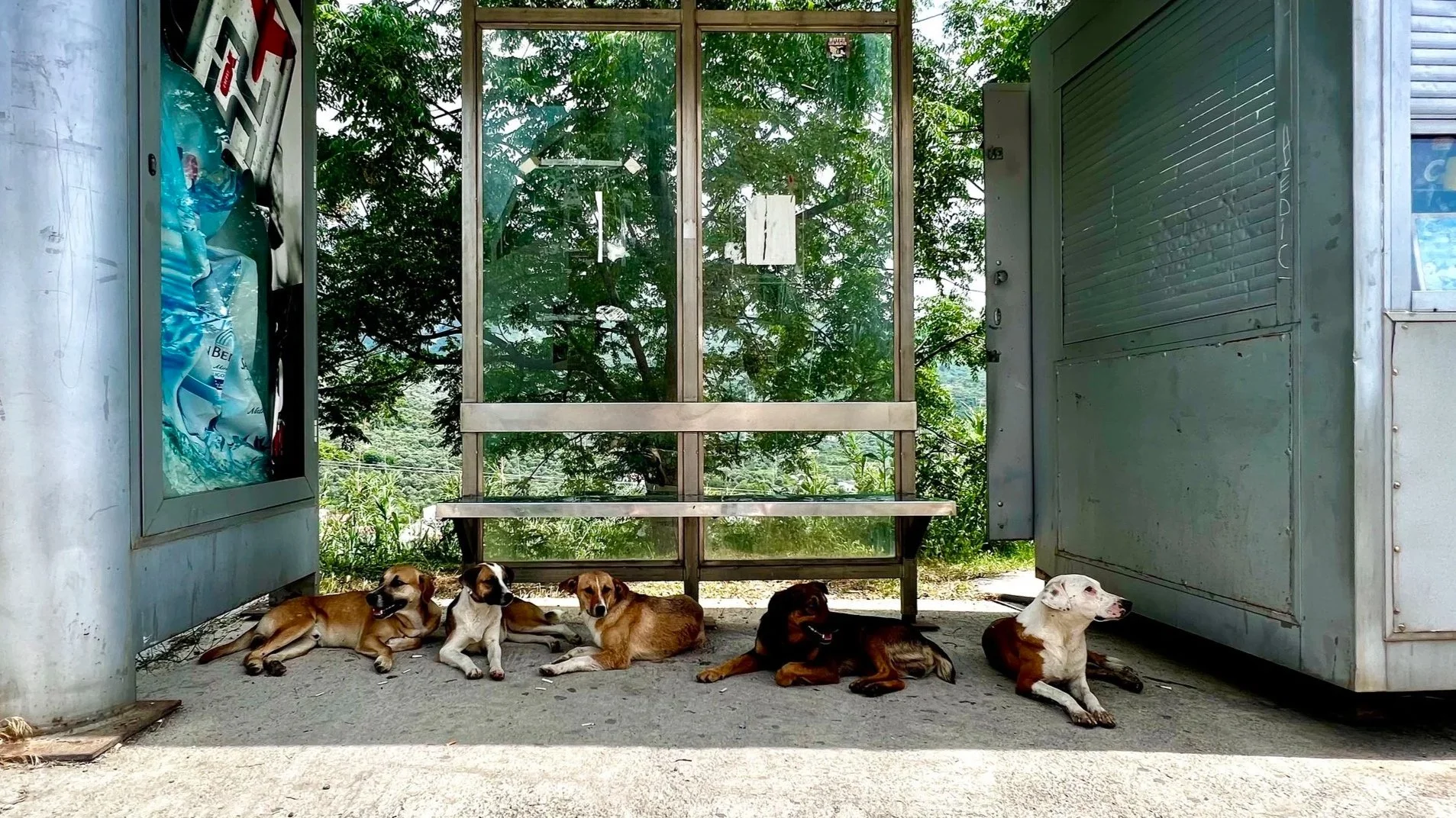
Waiting for the bus in Bar, Montenegro
Transport
Moving from country to country is very easy in the Balkans as you can book buses with either 12Go or Flixbus.
Something I hadn’t come across until exploring the Balkans, was platforms fees. In almost every international bus station I was charged for being on the platform. It’s not a lot of money, usually equating to £1-2 but it’s taken in cash so don’t spend the last of your coins before leaving a country, you’re going to need them!
For regional travel it takes more planning and sometimes a bit of patience and trusting the process! It differs by country but in all of them, you can get local buses from bus stops within the main cities fairly easily. For intercity travels you can book some journeys on Flixbus and others through the local bus companies. Gjirafa Travel Website is also a great option for booking buses within some of the Balkan countries. In the more rural areas you may need to book taxis or take organised tours. You’ll always be able to fun a way but I’d recommend doing some research and chatting to the locals for recommendations of the best routes.
Border Crossing
Although there is a level of hostility between Bosnia & Serbia from not so distant historical conflict, the border crossing is straight forward, as is the case for all for all of the borders in my experience. However, a country I am yet to visit is Kosovo and it’s worth knowing that if you try to enter Serbia after visiting Kosovo, you will have difficulty at border control and likely they could not allow entry. If you want to visit both countries, visit Serbia first.
You will need some patience though. If you’re used to crossing through other European countries that are Schengen you might be shocked how long it can takes. I didn’t see any issues arise so I wouldn’t say it’s anything to worry about but expect it to take some time, especially if you go over the land borders on a bus where they are trying to get through a large number of people thoroughly. The exciting part of not being Schengen however, is that you get passport stamps for each country!
Phone Service
An important thing to remember and prepare for is that if you are used to moving through other parts of Europe where your roaming data covers all EU countries, this is not the case here. I saw a lot of panicked faces when I was on a bus from Croatia to Bosnia & Herzegovina that arrived late at night. People started looking at their phones, switching to no service and wondering what they were going to do.
When it comes to phone service there are 3 options you can choose from when exploring the Balkans:
Raw dog it. No phone service. Rely on wi-fi when you can get it. I really do not recommend this option. Having phone signal to navigate unknown places and to be able to keep in contact with people is a must when travelling solo.
Get a local SIM card. This will be arriving without signal and sorting it out when you get there. I’ve often done this because it’s cheaper but it is time consuming and not ideal if you arrive late at night. With this option, to be able to find your accommodation, do a bit of prep on Google Maps before you cross countries. You can pin your accommodation on Google Maps and download the area as an offline map. This can at least give you peace of mind to find your way. You can then find a phone shop and get a local SIM. Remember to take your passport to the shop!
Get an eSIM. I’ll be honest it too be while for this to become my first option but now it’s always my go-to. Before you leave for a new country, buy an eSIM for that country or region. You will then immediately have service when you arrive in a new country. This is the most convenient option and the best for peace of mind when travelling solo in a new country. There’s a few different companies that offer eSIMs.
The best one I have come across and used regularly is MobiMatter. They have some of the best priced data offers with networks that provide strong signal whilst travelling. They have an offer at the moment where you can 50% cashback credit (up to $5) for your next trip when you buy your first eSIM. Use code GINAGOESTRAVELLING.
Saily is another trustworthy option. It’s super easy to use and offer eSIM options for over 200 destinations. Use my code SPECIAL10 for 10% off.
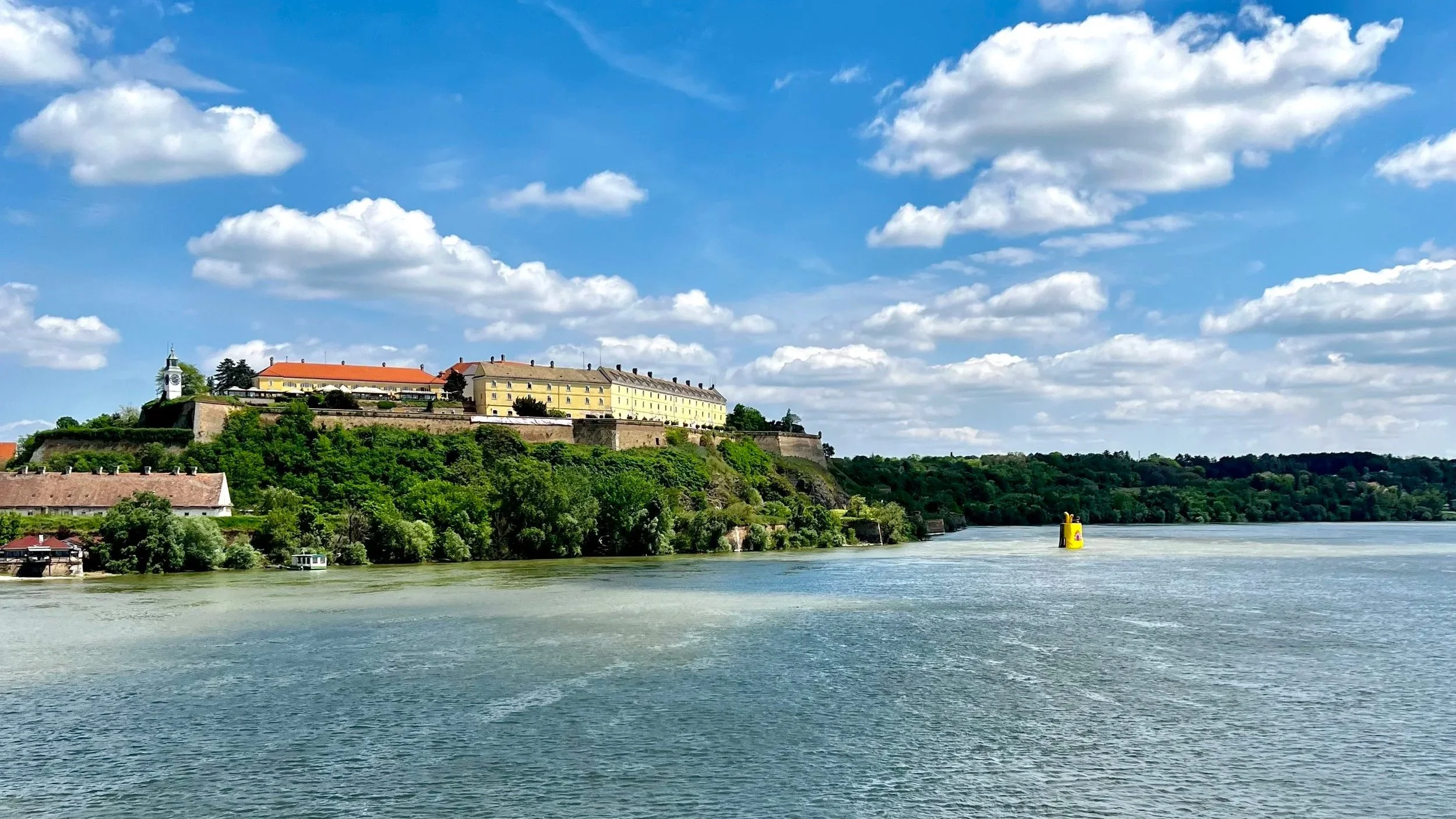
A sunny day in Novi Sad, Serbia
Is the Balkans worth visiting?
I hope this has helped give you a feel for the Balkans and all it has in store. It’s genuinely one of my favourite areas to have travelled solo and I hope you have an amazing time there. If you have any questions feel free to reach out to me!
This post contains affiliate links to tours & services.
These help me earn a small commission at no additional charge to you.